
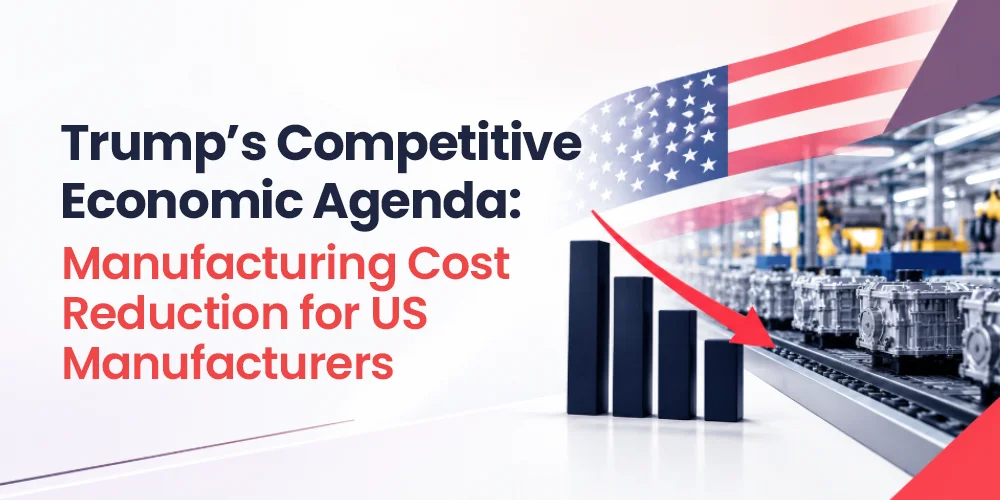
American manufacturers confront shifting trade rules, tariffs, local production goals and economic uncertainty. These changes can alter material prices, supplier ties, production timelines and profit margins.For US businesses staying demands precise cost data, flexible sourcing and smooth operations. Manufacturing Cost Reduction becomes crucial as companies try to cut expenses while keeping product quality and customer service high. Understanding trade rules lets manufacturers brace for market shifts. Make smart choices.
How Trade Policy and Tariffs Affect US Manufacturers
Tariffs can raise the cost of imported materials, components, machinery and other manufacturing inputs. Their impact depends on the products involved country of origin, applicable exemptions and current trade rules. Companies relying on imported components may face challenges than those sourcing primarily from domestic suppliers.
However tariffs do not automatically make US production cheaper. Domestic suppliers may also experience costs while switching suppliers can create additional expenses and delays.Manufacturers should identify the materials most affected by trade policy changes. Reviewing purchasing costs and product margins helps businesses decide whether to renegotiate contracts, explore alternatives or adjust purchasing schedules. Manufacturing Cost Reduction begins with understanding expenses. Evaluating their impact on profitability before making major purchasing decisions.
Domestic Manufacturing and Local Sourcing
Policies encouraging US manufacturing can create opportunities for suppliers and businesses investing in local production.. Local sourcing requires careful financial planning because domestic suppliers are not always the cheapest option.Local suppliers may offer delivery times, easier communication and less dependence on international shipping. Nevertheless manufacturers must evaluate pricing, capacity, quality and delivery reliability before changing suppliers.
Comparing material costs, transportation, duties, handling and potential delays provides a picture of total purchasing expenses.A balanced sourcing strategy may combine suppliers for critical components with international suppliers for materials that remain more economical to import. This approach supports Supply Chain Optimization by providing flexibility without requiring a restructuring of the supply network.
Managing Political and Economic Uncertainty
Trade policies can change through government actions, international negotiations and revised tariff arrangements. Manufacturers may therefore find it difficult to make long‑term decisions based on an announcement. Businesses should monitor updates and verify tariff classifications, implementation dates, country‑of‑origin requirements and exemptions through official government resources or qualified trade professionals.
Financial scenario planning can also help manufacturers estimate how higher material prices could affect production expenses, customer pricing and profit margins. These estimates support decisions about supplier negotiations, inventory purchases and alternative sourcing options. Manufacturing Cost Reduction does not mean eliminating every expense. It involves identifying costs, assessing potential risks and making decisions based on reliable financial information.
Why Inventory Planning Matters
prices and delivery schedules make inventory management more challenging. Purchasing materials in bulk before a potential tariff increase may reduce exposure to prices but excessive stock ties up cash and increases storage expenses.Ordering little can also disrupt production when essential components become unavailable.Manufacturers should monitor stock levels, supplier lead times, demand forecasts and production requirements. Critical components may justify safety stock while slower‑moving materials require more cautious purchasing.
Supply Chain Optimization involves matching purchasing decisions, with operational needs. Appropriate reorder points and regular stock reviews can help prevent shortages without accumulating inventory.Connected inventory systems can further improve visibility into quantities, incoming shipments and replenishment requirements helping purchasing teams respond earlier.
Improving Production Efficiency and Controlling Costs
Rising external costs often encourage manufacturers to review their processes. However cutting expenses without understanding production operations can cause quality problems, equipment downtime and missed deadlines.Companies should examine consumption, production times, scrap rates and recurring delays to identify avoidable waste. Accurate bills of materials, production instructions, scheduled maintenance and consistent quality checks can improve efficiency.
Manufacturing Cost Reduction becomes more sustainable when businesses prevent waste of simply spending less. For example, identifying material consumption during production may reveal opportunities to improve processes without affecting product specifications.Manufacturers should measure improvements through production time, material usage, rework and quality performance. Lower costs are valuable when products continue meeting customer expectations.
How Manufacturing ERP Software Supports Better Decisions
When purchasing, inventory, production and accounting information is spread across systems managers may find it hard to see true costs. Stock numbers that do not match and material prices that vary can make budgeting less dependable. Manufacturing ERP Software links business processes in a system. Manufacturing ERP Software helps teams coordinate purchasing, keep track of inventory, handle production orders and look at data.Odoo gives Manufacturing, Inventory, Purchase and Accounting applications that meet these needs. Manufacturing helps control production orders and parts while Inventory tracks stock orders supplies and values inventory.
Odoo can also log landed costs, such as tariffs, transport and handling if set up correctly. Odoo lets manufacturers see the cost of buying materials instead of just comparing suppliers on price.Manufacturing ERP Software can give visibility but results depend on correct data, proper setup and steady use. Businesses should find their challenges before installing and choose processes that will gain from tighter coordination.
Practical Ways to Improve Manufacturing Operations
Manufacturers do not have to change every process away to handle economic uncertainty. Looking at costs, suppliers and production ways can show ways to improve.Companies can start by looking at imported parts and costly materials that impact profit. Comparing suppliers on costs, quality and delivery reliability can find better buying choices. Setting reorder points and keeping enough safety stock also cuts the chance of production stops.
At the time watching waste, machine downtime, rework and gaps between planned and real material use shows operational problems. Linking purchasing, inventory, production and accounting data makes these findings easier to assess.These steps support Supply Chain Optimization. Help manufacturers separate market pressure from internal inefficiencies that can be fixed.
Building a Competitive Manufacturing Business
Trump’s economic plan has brought trade rules, local production and sourcing choices into talks about American manufacturing. But the impact differs by industry, product and supply chain so each business must assess itself.Manufacturers who know their costs keep inventory and watch production performance can react more confidently to change. Manufacturing Cost Reduction works best when it is part of management instead of a quick fix, for rising prices. For businesses wanting visibility Odoo can link manufacturing and inventory with purchasing and accounting. With data and proper setup manufacturers can make smart choices, control costs and grow their competitiveness over time.